
Getting around Rome is easy once you know two things: which ticket to buy and how to validate it. This guide keeps it simple so you can focus on gelato not turnstiles.
How Public Transport Works in Rome
Rome’s network combines Metro (A/B/C lines), buses, and trams under one integrated ticketing system. Your ticket or pass works across all three for its validity window.
Ticket & Pass Options (What to Buy)
- BIT single ticket (100 minutes): Valid for 100 mins from first validation; one Metro ride (turnstile in → out) plus unlimited bus/tram within the window. Best for 1–2 hops.
- 24/48/72-hour passes: Unlimited rides for the period from first validation. Good if you plan ≥3–4 rides/day.
- CIS weekly (7-day) pass: If you’re in Rome a week and riding daily.
- Children: Under 10 ride free with an adult (space permitting).
- Contactless: Many Metro turnstiles accept tap-to-pay (one card/phone per person). Works like singles; great for occasional rides.
Our quick picks
- 2-day itinerary: 48-hour pass or contactless taps as needed.
- 4-day itinerary: Mix of 48-hour pass + singles for lighter days.
- Night photography runs: Singles/contactless.
Where to Buy & How to Validate
Buy: Metro station machines, newsstands/tabacchi, some bus stops, or official apps.
Validate:
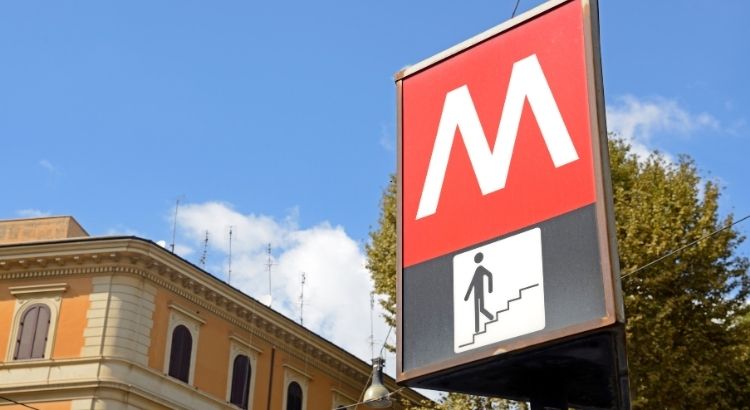
Metro: ticket goes into the gate; digital/contacts = tap at the turnstile.
Bus/Tram: stamp paper tickets in the yellow machine on board; for contactless, tap the validator at boarding.
Keep your ticket/pass until exit; inspectors do random checks.
Metro Basics (Lines A/B/C)
- Line A (orange): Vatican/Spagna/Termini axis.
- Line B (blue): Colosseo/Fori Imperiali to Tiburtina.
- Line C (green): Southeastern suburbs; less touristic but useful for connections.
- Frequency: ~3–7 mins by day; wider at night.
- Last trains: around 23:30–00:30; check station boards for the day you ride.
Buses & Trams
Coverage: Fill the gaps between Metro corridors—great for short hops across the center.
Popular lines:
118: handy for Appian Way (weekends are calmest).
H & 64: central workhorses; busy—watch your phone.
Night buses (prefixed “N”) run after Metro closes; stops show timetables.
Airports & Train Stations (Quick)
- FCO (Fiumicino): Express train to Termini or regional trains to Trastevere/Tiburtina; licensed taxis have fixed fares.
- CIA (Ciampino): Shuttle buses to Termini or local bus + Metro.
- Termini, Tiburtina, Ostiense: major interchanges—follow Metro color codes.
Quick Itinerary Shortcuts (Tried & True)
- Colosseum ↔ Vatican (evening photos): B → A change at Termini (Colosseo → Ottaviano).
- Navona/Trevi cluster: Walk; buses are slower in the narrow core.
- Appian Way day: Metro B to Circo Massimo → 118 bus to the park.
- Trastevere night: Cross by foot via Isola Tiberina, then bus back if late.
Common Mistakes & Fines
Boarding buses without validating, assuming a photo of a ticket is enough, or forgetting that contactless requires one device per rider. Inspectors issue on-the-spot fines validate every time.
FAQ
Do I need a pass?
Not always. Central sights cluster well—walk + a couple of singles works for many travelers.
Can I use the same contactless card for two people?
No—each person must tap with a separate card/phone.
How do transfers work with the single ticket?
100 minutes from first validation; you can switch buses/trams freely and take one Metro entry within that window.
Is the Metro safe at night?
Stick to lit stations, avoid empty cars, and mind pockets. For very late returns, prefer taxis or night buses on main avenues.
What to Read Next
- Hidden Rome: 20 Quiet Corners Beyond the Crowds
- Rome at Night: Best Illuminations & Evening Walks (Map + Safety Tips)
- Perfect 48 Hours in Rome for First-Timers (Skip-the-Line Strategy)
- 4 Days in Rome: Balanced Art, Ruins & Food Itinerary