

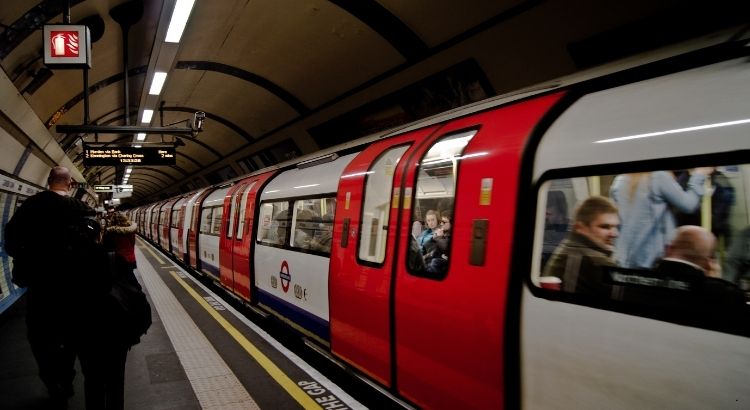
The London Underground—known locally as “the Tube”—is the fastest and easiest way to travel across the city. With 11 lines, color-coded maps and frequent trains, it helps you reach major sights without wasting time.
This guide breaks it down simply, so even first-time visitors can use it confidently.
1. How to Pay (Tap In, Tap Out)
Using the Tube is based on tapping:
- Tap in at the gate when you enter
- Tap out when you leave
You can use:
- Contactless card
- Apple Pay / Google Pay
- Oyster card
Important: Use the same card/device for the whole journey so the system charges correctly.
2. Reading the Tube Map
The Tube map is designed around colors, not geography.
Examples:
- Central Line → red
- Piccadilly Line → dark blue
- District Line → green
- Jubilee Line → grey
Your map app (Citymapper or Google Maps) will show:
- Which line to take
- Direction (final station name)
- Where to change lines
- Expected travel time
3. At the Station: Step-by-Step
- Follow signs for Underground
- Tap your card on the yellow reader
- Check the screens above the platform
- Look for the train going in the correct direction
- Let passengers exit first
- Move down inside the carriage so others can get on
4. Changing Lines
Most London journeys need one simple change.
Major interchange stations:
- Green Park
- King’s Cross
- Baker Street
- Oxford Circus
- Bank / Monument
- Waterloo
Just follow the colored signs—the system is built to make transfers easy.
5. Rush Hour Tips
Avoid the Tube during:
- 07:45–09:15
- 17:00–18:30
Trains get crowded, especially at Oxford Circus, Bank and Victoria.
If you must travel:
- Let the next train go if it’s too packed
- Stand on the right side of escalators
- Keep bags in front of you
6. Useful Tools
- Citymapper → best real-time info
- Google Maps → accurate routes
- TfL Tube Map (PDF) → offline access
- TfL Status Updates → tells you delays or closures
7. Common Mistakes to Avoid
- Using different cards to tap in and out
- Forgetting to tap out
- Getting on the wrong direction train
- Blocking escalators by standing on the left
- Expecting the Tube to run 24/7 (only Friday–Saturday night on some lines)
8. When NOT to Use the Tube
Sometimes it’s better to walk or use a bus:
- Short distances (under 1–2 stops)
- When you want street-level views
- At night when buses are more frequent
Final Thoughts
Once you understand tapping in, reading the map and following signs, the Tube becomes incredibly easy. It’s safe, fast and connects every major area of London—perfect for first-time visitors.
What to Read Next
- Where to Eat in London Near the Big Sights
- Best Pubs in London for a First Trip (Cozy, Historic, Riverside)
- Best Photo Spots in London
- Best Free Things to Do in London
- 48 Hours in London: Classic First-Timer Itinerary (Tight, Walkable Plan)
- 4 Days in London: How to Mix Iconic Sights, Neighborhoods and Local Experiences
- London Travel Tips: What to Know Before Your Trip (Transport, Money, Safety & More)
- How to Use the London Underground (Tube): A Simple First-Timer Guide
- London Neighborhoods Guide: The Best Areas to Explore on Your Trip
- London Neighborhood Guide: Where to Stay for Every Travel Style
- London in Spring: Best Time & What to Wear
- London in Summer: What to Wear (Packing List + Outfit Ideas)